Choosing the right heating system for your home is an important decision, especially in a state like Virginia where winters can be cold but not extremely harsh. Two of the most common heating options for homeowners are furnaces and heat pumps. Each system has its own advantages, and understanding how they work can help you decide which one is best for your home.
In this guide, we’ll compare furnaces and heat pumps to help Virginia homeowners make an informed choice.
How Furnaces Work
A furnace generates heat by burning fuel such as natural gas, propane, or oil. The system heats air and distributes it throughout the home using ductwork and vents.
Furnaces are known for producing strong, consistent heat, which makes them a popular option in colder climates.
Benefits of Furnaces
Provides powerful heating during very cold temperatures
Heats homes quickly
Works well in areas with harsh winters
Compatible with most existing duct systems
However, furnaces typically only provide heating, meaning homeowners need a separate air conditioning system for cooling during summer.
How Heat Pumps Work
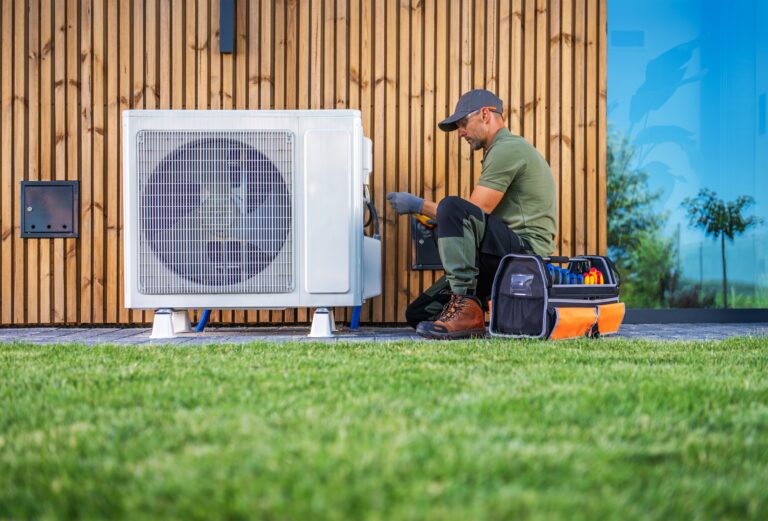
A heat pump works differently from a furnace. Instead of generating heat, it moves heat from one place to another. During winter, it extracts heat from the outside air and transfers it indoors. During summer, the process reverses to cool your home.
Because of this dual function, heat pumps provide both heating and cooling in one system.
Benefits of Heat Pumps
Provides both heating and cooling
Highly energy-efficient
Lower operating costs in mild climates
Reduced carbon footprint
Heat pumps are particularly effective in regions like Virginia, where winters are generally moderate compared to northern states.
Energy Efficiency Comparison
Energy efficiency is one of the biggest differences between these two systems.
Heat pumps are typically more energy efficient because they transfer heat rather than generate it. This means they use less energy during normal winter conditions.
Furnaces, especially gas furnaces, can still be very efficient but may consume more energy during long heating periods.
For Virginia homeowners looking to reduce energy bills, heat pumps can be an attractive option.
Performance During Cold Weather
Furnaces tend to perform better during extremely cold temperatures because they generate heat directly.
Heat pumps can lose some efficiency when outdoor temperatures drop very low. However, modern heat pumps are designed to perform well even in colder climates and often include backup heating systems.
Because Virginia winters are usually moderate, many homes can rely on heat pumps for most of the season.
Installation and Cost Considerations
Installation costs can vary depending on your home’s existing HVAC setup.
If your home already has ductwork and an air conditioning system, installing a furnace may be straightforward. Heat pumps can sometimes cost more upfront but provide both heating and cooling in one system.
Over time, the energy efficiency of heat pumps may help offset installation costs.
Which System Is Best for Virginia Homes?
For many homeowners in Virginia, heat pumps are a popular and efficient choice because they work well in moderate climates and provide year-round comfort.
However, furnaces remain a reliable option for homeowners who prefer strong heating performance during colder winter days.
The best choice often depends on your home’s size, insulation, existing HVAC setup, and personal comfort preferences.
Consult an HVAC Professional
If you’re considering upgrading your heating system, consulting with an HVAC professional can help you determine which system best fits your home and energy goals.
With the right heating solution, Virginia homeowners can enjoy reliable comfort throughout the winter season while maintaining energy efficiency and long-term savings.