Few things are more frustrating than your HVAC system suddenly stopping during extreme weather. Whether your home becomes too hot in the summer or too cold in the winter, an HVAC issue can quickly turn into an emergency.
While some problems require immediate professional repair, there are a few simple steps homeowners can take before calling an HVAC technician. Sometimes the issue may be minor and can be resolved quickly without a service visit.
Here are a few important things to check if your HVAC system suddenly stops working.
Check the Thermostat Settings
One of the first things to check is the thermostat. Sometimes the issue is as simple as incorrect settings or low batteries.
Make sure the thermostat is:
Set to the correct mode (heating or cooling)
Set to a temperature higher or lower than the current room temperature
Powered on with working batteries
If the thermostat display is blank or unresponsive, replacing the batteries may solve the problem immediately.
Inspect the Circuit Breaker
HVAC systems require a significant amount of power to operate. If the system suddenly shuts off, the circuit breaker may have tripped.
Locate your home’s electrical panel and check whether the breaker connected to the HVAC system has been switched off.
If the breaker has tripped, reset it once and see if the system restarts. However, if it continues to trip repeatedly, this may indicate a deeper electrical issue that should be handled by a professional technician.
Replace or Clean the Air Filter
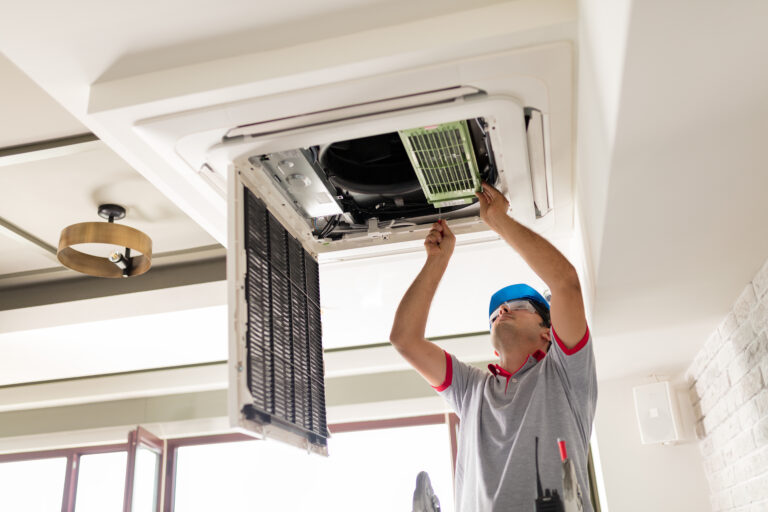
A clogged air filter can restrict airflow and cause the HVAC system to shut down or overheat. This is one of the most common issues homeowners experience.
If your system is not running properly, check the air filter and replace it if it appears dirty or clogged. Regularly changing filters every one to three months helps prevent airflow problems and improves system efficiency.
Check the Air Vents and Registers
Blocked vents can prevent air from circulating properly throughout your home. Furniture, rugs, or curtains sometimes cover vents without homeowners realizing it.
Walk through your home and ensure that all vents and registers are open and unobstructed. Proper airflow helps your HVAC system maintain balanced temperatures and operate efficiently.
Look for Ice on the Outdoor Unit
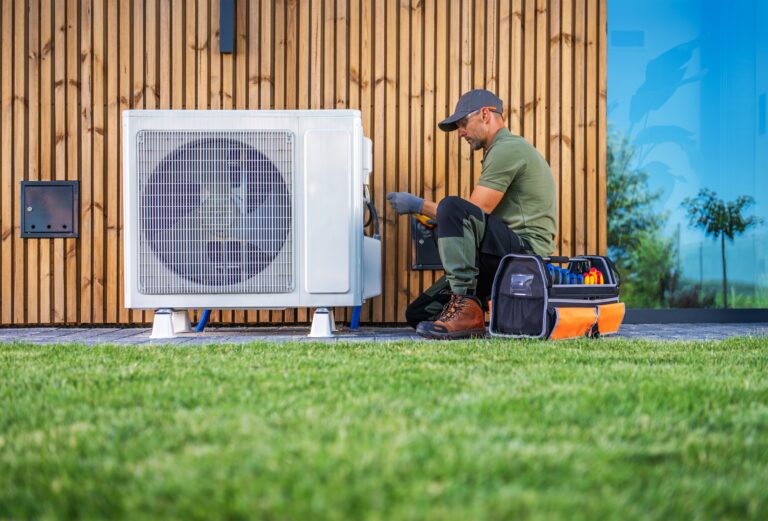
If your air conditioning system is running but not cooling properly, check the outdoor unit. Ice buildup on the unit or refrigerant lines may indicate airflow problems or refrigerant issues.
If you notice ice forming, turn the system off and allow it to thaw before restarting. Continuing to run the system while frozen may cause further damage.
When to Call an HVAC Professional
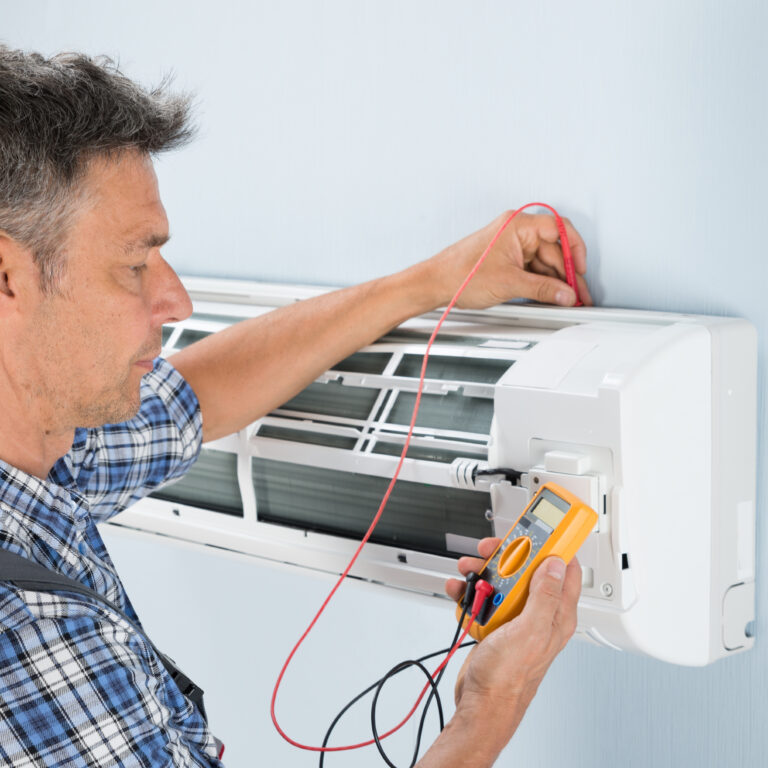
If you’ve checked the thermostat, breaker, filters, and vents but the system still isn’t working properly, it’s time to call a qualified HVAC technician.
You should seek professional help if you notice:
Loud or unusual noises
Burning or strange odors
Weak airflow from vents
System constantly turning on and off
No heating or cooling at all
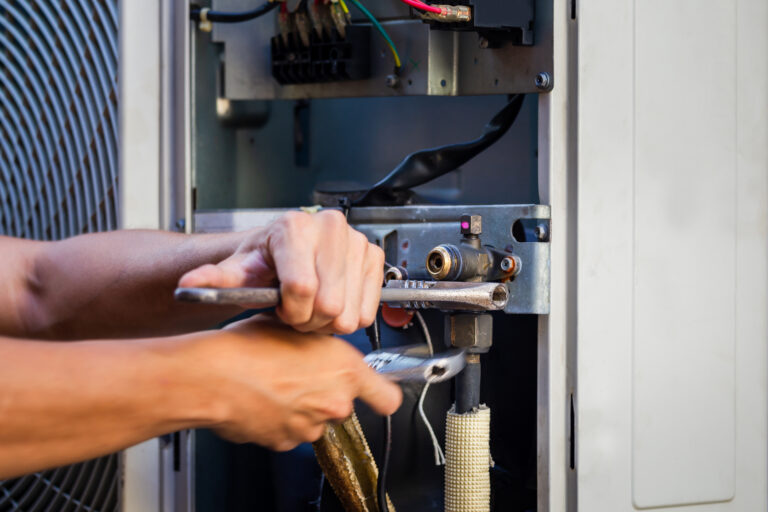
These signs may indicate mechanical issues that require professional diagnosis and repair.
Preventing Future HVAC Emergencies
Many HVAC emergencies can be avoided with regular system maintenance. Routine inspections allow technicians to identify potential issues early and keep your heating and cooling system operating efficiently.
Scheduling seasonal HVAC tune-ups, replacing filters regularly, and paying attention to warning signs can help prevent unexpected breakdowns and keep your home comfortable year-round.